So... as many of my clients are expecting baby number two (or three), I got little inspired by them.
I never imagined my oldest daughter would grow up so quickly. When I came home from the hospital, she suddenly seemed so big and smart! We talked a lot about the new baby sister before she arrived, but I remember my older daughter wasn't very interested when she finally came. She interacted a little but didn’t ask to hold the baby every day or rush to help with the pacifier. She politely ignored her little sister until she was about six months old and started to crawl, becoming more interesting and someone she could play with.
I never expected this, as I had seen other siblings being super helpful and involved. My daughter, on the other hand, was more distanced. I never forced her to do anything, and it's important to keep in mind that this can happen.
However, when our third baby arrived, both older sisters were very interested and helpful. Despite a six-year age gap, my middle and youngest daughters have developed a very strong bond.
Let's be honest, introducing the newest member of the family to your older child can sometimes feel like navigating uncharted waters. That’s because you are!! As a mom myself I'm here to assure you that this journey, while occasionally bumpy, can also be an amazing bonding experience for your family! Obviously, it's so crucial to prepare your older kiddos for the new baby.
This is a big change in their life and will shake up their world quite a bit.
But here's the good news, preparation is key (and you’re already starting that process by reading this blog!)
Let's talk specifics. What can you do NOW to prepare for the new baby?
Books
Start by reading books that talk about siblings and new babies. "I'm a Big Sister" or "I'm a Big Brother" by Joanna Cole and “The New SmallCircles - Unusual relationships for unique people” by Tess Castleman are great options.
They beautifully illustrate the ups and downs of having a new sibling.
Let the Older Sibling Help Prepare
As you prepare the baby's room, let your older child be involved! Allow them to pick out some nursery decorations, or a special gift for their new sibling. This involvement can help them feel like they're a crucial part of this new chapter.
Keep communication open
Leading up to the birth, and in the weeks following, it’s important to maintain open lines of communication. Ask your child how they're feeling, let them express any worries or fears, and affirm their feelings.
You can also share stories about what the older sibling was like as a baby to create a connection.
Let the Older Sibling Help After Baby Arrives
After the baby arrives, it's a whole new ball game. Make sure the older sibling is well-rested and not hungry or cranky.
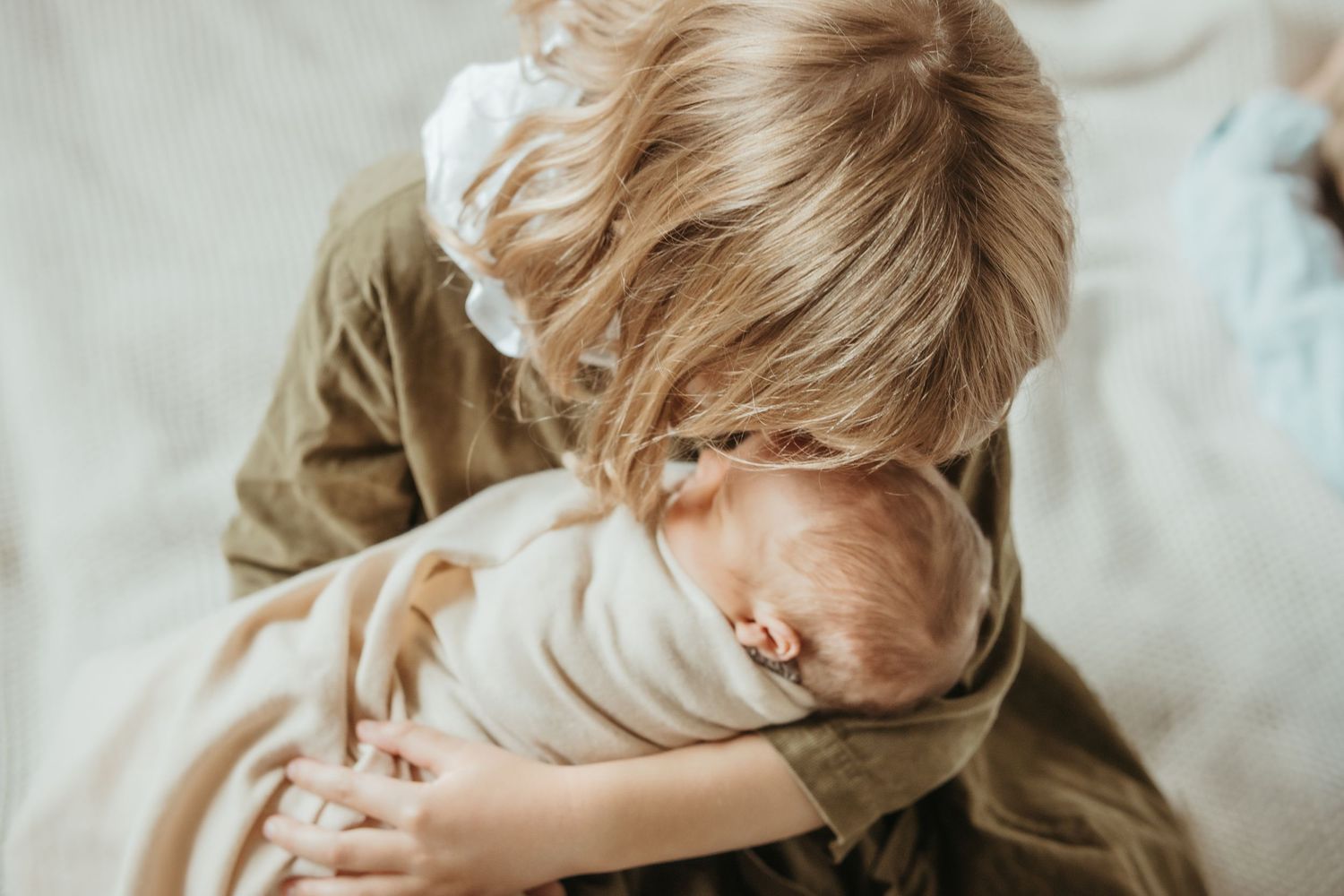
During this time, it's helpful to foster interaction between your older child and their new sibling. Let your older child "help" with the baby — maybe they can pick out the baby's outfit for the day, or sing them a lullaby, or simply talk to the baby. This can help them form a bond with the baby, and feel included in this new phase of your family's life.
You could also prep little special box, that kid gets only when you are breastfeeding. Depends of your child age.
Pre-arrange one on one time
But remember, amid all this, feelings of jealousy might creep in. It’s essential to reassure your older child that they're still loved just as much as before. Maybe you can arrange for some one-on-one time with them - a special movie night or you could go to swimming pool as soon as you stop bleeding, or any library that's near by. In Selfoss we have this kids friendly breakfast&brunch place BYRJA , take your older sibling out for a breakfast! It doesn’t have to be grand, what matters is spending quality time with them.
You could also prep little special box, that older sibling get only when you are breastfeeding. Depends of your child age.
Keep Their Routine
Ultimately, keep in mind that as parents, you're their compass in this new territory. It's important to keep as much of their normal routine as possible.
Whether it's their beloved bedtime story, or that funny face you pull while having dinner, keeping some things the same can provide them with comfort.
And remember, every child is different and will react differently. It's about guiding them through this process with love, understanding, and patience.